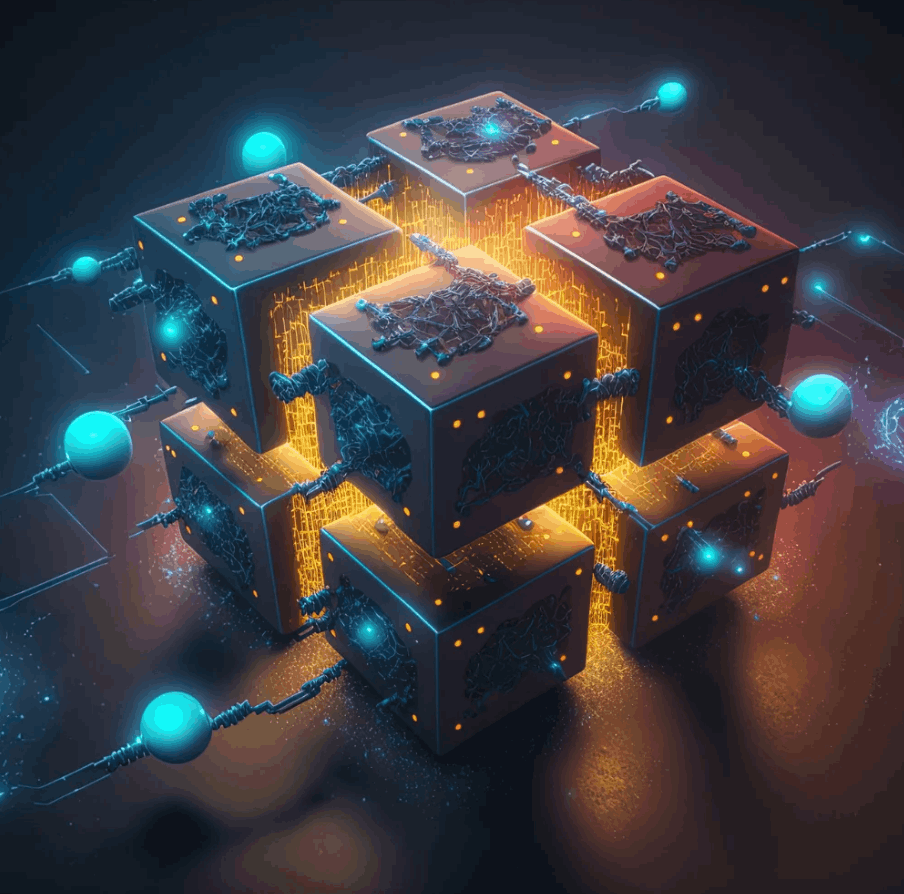
Building Scalable Applications with Layer Two Solutions
Layer two protocols address the fundamental scalability challenge by moving transaction execution away from the resource-constrained base layer. These solutions process large volumes of transactions off-chain while periodically anchoring final results back to the main chain. Developers can Explore Tronscan to examine how layer two systems commit Data to the base layer through special Contracts designed for this purpose. The Analytics available through Tronscan reveal the growing adoption of these scaling solutions across the ecosystem. Understanding layer two architecture has become essential for developers building applications that must serve mass audiences.
State channels represent the oldest category of layer two solutions, enabling participants to exchange signed messages off-chain indefinitely. Only the final state of a channel requires settlement on-chain through dedicated channel Contracts that verify participant signatures. Data from Tronscan shows how channel Contracts handle disputes and ensure that participants cannot cheat by submitting outdated states. The security model of state channels relies on economic incentives and time locks that create windows for challenging invalid settlements. Applications requiring high-frequency interactions between known participants benefit most from this approach.
Rollup architectures have emerged as the dominant layer two paradigm, offering general-purpose computation with strong security guarantees. Optimistic rollups assume transactions are valid unless challenged during a dispute window, while zero-knowledge rollups generate cryptographic proofs of correctness. Blocks produced by rollup sequencers are compressed and published to the base layer where anyone can verify their contents. You can Explore Tronscan to examine these compressed Blocks and the Contracts that manage rollup state commitments. The Data efficiency of rollups enables throughput increases of two to three orders of magnitude compared to base layer transactions.
Sidechains offer an alternative approach with their own consensus mechanisms and block production separate from the main chain. A two-way bridge implemented through Contracts on both chains allows assets to move between the sidechain and main chain. Analytics comparing sidechain performance to base layer Data demonstrate the throughput advantages of this architecture. Security models for sidechains differ from rollups because they do not inherit the full security of the base layer. Developers must carefully evaluate these trade-offs when choosing between sidechain and rollup architectures for their applications.
Interoperability between different layer two solutions and the base layer remains an active area of protocol development and standardization. Users expect to move assets seamlessly between rollups, sidechains, and the main chain without complex manual processes. Data from Tronscan shows the increasing complexity of cross-layer transactions as the ecosystem matures. Standardized bridge Contracts and messaging protocols are emerging to connect these formerly isolated scaling solutions. The future blockchain landscape will consist of deeply interconnected layer two networks all anchored to a secure base layer.